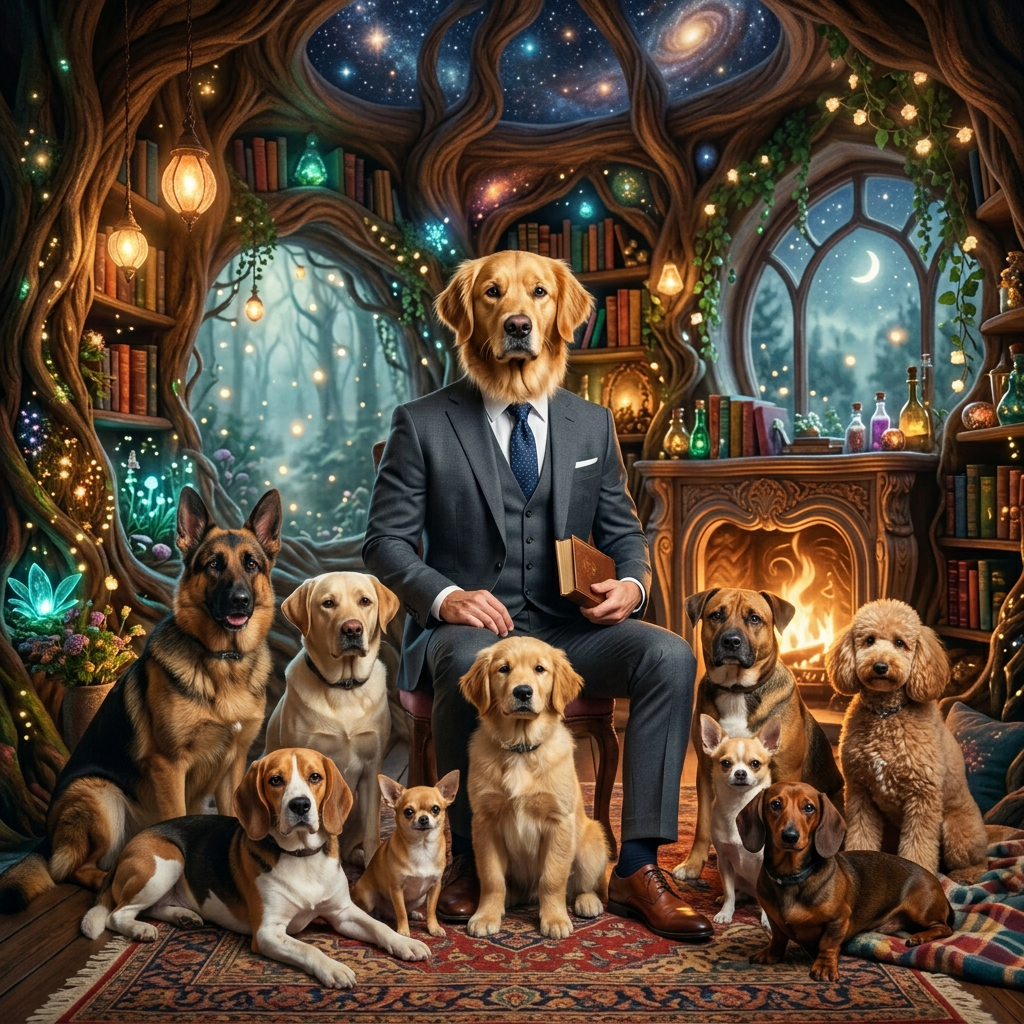
(או: איך אתה אוהב את הכלב שלך, מאולף/כנוע או עצמאי?!)
הקדמה עקרונית: האופן שבו אנו, בני האדם, מסוגלים לתעל את עצמנו ובעיקר את מעשינו, אל מקומות בלתי הגיוניים, ונוסף על כך, להוליך את דעתנו שולל רק כדי שנוכל להצדיק את מעשינו כלפינו וכלפי החברה כולה, גובל לעתים קרובות מדי בעזות מצח שאין כדוגמתה. חשוב לציין שהחברה היא "אני" עם תוספות; החברה היא איחוד ומכלול הצרכים המשותפים לכלל בני האדם מעצם היותנו זן מיני זנים רבים, והיא מרשה לעצמה להשתמש בכל דבר אפשרי רק מעצם היותו אפשרי לשימוש והפקת תועלת.
אופן השימוש שלנו ביצור החי המכונה "כלב" ( כמו לב, ע"פ אליעזר בן-יהודה מחיה השפה העברית, שקרא לבעל החיים כך בשל הקשר של בנו איתמר עם כלבו ), נמצא ברוב המקרים במקום שהוא בלתי נסלח בעליל לדעתי. זאת, למרות הדאגה הרבה שנוהגים להרעיף על החיה ולמרות שבכל בית שני מחזיקים בכלב .
עולמם של הכלבים אינו מובן מאליו ועל כן תחילה חובה עלינו – הישות החושבת הדואגת והמבינה – ללמוד מהם מאפייניו, בטרם נחווה דעה כלשהי בעניין. המקום של הכלב המבוית בחיינו מעורר שאלות רבות בעניין מהות האדם, דחפיו ומניעיו, כאדם בעל צרכים, כשמולו ניצב בעל חיים שהוא בעל צרכים משל עצמו. ובכן, כיצד הכלב מתאים לצרכינו השונים ולהיפך ובאיזה אופן הם משפיעים על חיינו ועל חייו?
הכלב הוא יונק בעל חיים הנמנה עם משפחת הלהקות. קיימים סוגים שונים של להקות בטבע, אך מקורו של הכלב במשפחת הזאבים, אשר חייהם כלהקה מוכרים וידועים: הזאבים מתפקדים כטורפים חברתיים (!) וצדים בלהקות שמונהגות על ידי זכר אלפא ונקבת אלפא. למשפחת הזאבים יש מנהיג, ועל פי טבעם הם עושים הכול כדי לרצות את מנהיגיהם בכל דרך מתבקשת. במערכת היחסים בין האדם לכלב, בסדר הזה, האדם מתפקד כמנהיג, ומבחינת הכלב, ההסדר הזה משתלם בדרך כלל, כל זאת בתנאי שהוא מגיע לידיו של אדם מודע. לצערנו הרב, מעטות הבריות בעלות המודעות להבין שכפיית רצונותינו על בעלי חיים כדי שיהיו מאולפים לצרכינו זו אלימות וכוחניות לכל דבר ועניין. יתרה מכך, לעניות דעתי רק יחידי סגולה בלבד יוכלו לשלב בין הבנה זו ובין הצורך שלנו לשלוט ( "הרצון לעצמה", ניטשה) ובכך נחסוך מבעלי החיים את עצמנו כדמות כוחנית ומאיימת. אחרת מצבם של הכלבים לא מזהיר.
לכאורה, אדם מודע לא יבקש לאלף את כלבו אם יבין לעומק את משמעות האילוף. כפי שלא ניתן לבחור את אופיו ואת טבעו של ילדכם, כך לא ניתן לאמץ כלב לחייכם ולהתעלם ממי שהוא, אופיו וצרכיו הספציפיים. גם זאת בהנחה בסיסית שהאדם תופש את הכלב כישות שקיימת בעולם בלי כל קשר אליו, וככזו שלה זכויות קיומיות וצרכים, בדיוק כשל האדם.
אם כן, איך אתם מעדיפים את כלבכם? כנוע או דעתן? מתברר שבני האדם לעולם לא יניחו לכלביהם ליהנות מפריבילגיית המנהיג מסיבות רבות, חלקן מסיבות של ביטחון אישי, שמטרתן למנוע השתלטות היסוד הזאבי על הכלב, העלול להרשות לעצמו להתחבר למהותו יתר על המידה ולטרוף, אף שכלב לא נוטה לפגוע בלהקתו, בין אם הוא חייל או מנהיג, למעט במקרים חריגים.
אז מדוע אנחנו מאמצים אל חיינו כלב וגורמים לו לבטל את מהותו, ולרוב לא מאפשרים לו להיות מי שהוא? משום שזה משתלם לנו, ואנחנו נוטים לספק בנו את הצורך שיקבלו אותנו ללא תנאי, וגם מעצם נטייתנו לרצות לשלוט באחר ובהיעדר יכולת אותנטית לעשות זאת, כל שנותר הוא להתעמר בכלבים חסרי ישע.
מערכת היחסים בין האדם הלא מודע לבין הכלב היא למעשה התגלמותה של תיאוריית "הרצון לעצמה" של ניטשה.
בדיוק באותו האופן שבו הכלבים לעולם ימצאו עניין ראשוני דווקא בבני מינם מלכתחילה, כך גם עצם כתיבת המאמר מחזקת את הטענה שכל בני האדם נמצאים בדיוק באותו המקום ובד בבד גם בעולמות אחרים, וזו כשלעצמה יכולת מופלאה והרסנית השמורה רק לבני האדם ברמה המודעת.
הרי מה לנו ולכלבים? הם אינם דומים לנו ביולוגית ואינם מסוגלים לתקשר אתנו באופן דומה לזה שאנחנו מתקשרים בינינו במובנים רבים מדי, ובכל זאת, על פי רוב, הם בעלי החיים הקרובים אלינו ביותר במרבית התרבויות, יותר מכל בעל חיים אחר.
לפני יותר משלושים ושלושה אלף שנה, מצאנו כי הזאב יכול לשרת את מטרותינו בדרכים שונות – בדיוק כפי שבעלי חיים אחרים משרתים אותנו – במספר אפיקים: מזון, הנאה, טיפוח, שימור, שימוש חוזר, ניסויים, השמדה, ביגוד והנעלה, חפצי נוי, כתיבת דברי קדושה. המטרה משרתת את כל האמצעים.
עם הזמן, אפיקי השירות האלה, שרק בני האדם מסוגלים לגייס לטובתם, התגלו כיעילים, ובמרוצת השנים שיכללנו אותו עד ימינו אלו. יצרנו מהטבע שסביבנו בעל חיים אשר יענה על חלק גדול מבין צרכינו. כה גדול, עד שהוא אפילו ישן במיטותינו… כל דבר ודבר שיצרנו יחד כחברה וכפרט משרת את צרכינו באופן מובהק, המגמה האנושית הקולקטיבית היא להתייעל, להשתכלל, להתחכם בכל המובנים, לכבוש עולמות, לפרוש כנפיים ולחיות בבריאות ובאריכות שנים. לעולם לא די לנו, דבר שהוא בלתי נתפש ברמות המטאפיזיות של היכולת האנושית הבלתי נלאית.
ובכך לא די. למעשה, אם אעמיק עוד, ייחשף לעיני כול המעשה המכוער מכול: מכירה וקנייה של כלב, המלמד על האופן שבו החברה מתייחסת לכלב – כאל סחורה. הכמיהה שיהיה ברשותנו כלב מזן "יוקרתי" ומגזע טהור, ולשם כך אנחנו מוכנים לשלם במיטב כספנו, מבטלת את ההתחשבות הבסיסית ביצור החי ובוודאי את ה"חברות" המפורסמת. אדם שאוהב, מבין ומכבד כלבים, לבטח ימצא את עצמו משוטט בין מכלאות לכלבים נטושים ולא פותח "גוגל" בערך המתאים ומתעניין במחירו של כלב שכזה.
במאמר מוסגר אציין בהקשר זה כי "איש הזאבים" של פרויד גרם עוול בלתי נתפש לכלבים, משום שהוא לקח את הזאב בכבודו ובעצמו וניתק אותו מההקשר של הכלב השוכב למרגלות אדונו בקליניקה המפורסמת, והדבר היחיד שספג מהשראתם של חיות הפרא החכמות תורגם לדבר מה מיני, שהרי אצל פרויד, הכול קשור במין, שאם לא, הוא חסר כל משמעות.
עד כאן בעניין התועלת שמפיק האדם מכלבו. ואולם, הבה נשאל שאלה מהותית אחרת: מהי התועלת שמפיק הכלב מכך, אם בכלל, מה המחיר שעליו לשלם ומי למעשה יוצא הנשכר הראשי בעסקה? ההתייחסות מוכרחה להיות טרנסצנדנטלית משום שקיימות שתי ישויות במשוואה, וכיוון שאחת מהן היא אנחנו, איננו יכולים להיות אובייקטיבים כלל ובטח שלא עיקר. דנתי כבר בתאווה הבלתי נשלטת בעליל לאלף את כלבינו ובהרגלים שונים ומשתנים בהתאם לפסיכוזות שלנו שאנחנו מקנים לו בהתנהגות, והכול בעבורנו וכרצוננו. אך מה לגבי רצונותיו של הכלב? כנראה לא ניתן להשיב על השאלה, כי אין לנו דרך לדעת זאת בוודאות, אך בעיקר, כי זה לא ממש מעניין אותנו.
בתפישה הקולקטיבית, קיימת חשיבות עליונה וקיומית למזון ולשתייה שאני מעניקים לבעלי החיים שתחת חסותנו, וכביכול, בזאת אנחנו עושים בעבור כלבינו את הדבר הטוב ביותר, אפילו בחטיפים שלהם אנחנו משקיעים… האומנם? האם זה אכן הדבר הטוב ביותר שניתן לעשות לכלב שאימצנו לביתנו? אכן, מזון ושתייה הם תנאי קיומי, ואם אנחנו רוצים כלב אזי עלינו להאכילו, מן הסתם. ואולם, אנו לא עושים לכלב שום טובה בהפרשת מזון ושתייה לקערות שלו, כי למעשה, בטבע, יכולתו לשרוד וגורלו תלויים ביכולתו לצוד, ומששללנו ממנו את חירותו, ביטלנו באחת יכולת זו וקבענו את גורלו בעניין האופן שבו ישיג את מזונו. מכאן שזו למעשה חובתנו המוסרית כלפיו, ותו לא.
ככל שכלב הוא "ביתי" יותר בהתאם לאופן שבעליו מתרגם את המושג 'בית', כך הוא יהיה אהוב עליו יותר. ככל שהכלב יהיה "כלבי" יותר – הווי אומר, יבקש לשמר לעצמו הרגלים כלביים ומולדים החביבים עליו מעצם היותו כלב – כך נהיה מרוצים ממנו פחות.
בעלי כלבים אשר "מיומנים" באהבה כלבית, מתמוגגים למראה כלבם המחונך והממושמע, כאשר חברם הטוב ביותר מבצע את תרגילי האילוף שלמד כדי לרצות את אדונו.
כלב הוא בעל חיים מופלא אשר יעשה הכול כדי לרצות את בעליו, הדבר הרי טבוע באופיו, ועל כן כל אימת שנראה לו שאנחנו מרוצים ממנו ונעניק לו יחס אוהד ואולי גם איזה חטיף, הוא יעשה באהבה כמעט כל מה שנבקש ממנו: שב, שכב, זחול, קפוץ, עמוד, ארצה, יד, התהפך, דלג, והרשימה עוד ארוכה כאורך גחמותינו, כל עוד מדובר בפקודה בעלת שתי הברות ובטון המתאים – הכול הולך.
ידוע שחוויותיו של הכלב עוברות בעיקר באמצעות חוש ריחו, המפותח משלנו ברמות שמרבית מבני האדם לא תופשים בכלל, כי לנו יש רק חמישה מיליון קולטי ריח, ואילו לכלב ממוצע מאתיים ועשרים מיליון קולטי ריח. דרך קולטי הריח הכלב מספק את תשוקותיו הכלביות החייתיות, ובראשן את ההתניה הבראשיתית לסימון טריטוריה ולהיכרות עם בני מינו האחרים. זוהי למעשה דרך תקשורת מובהקת בעבורם.
ואילו אנו, ככל שכלבנו יהיה מחובר לתשוקתו להריח וללקק את איבריו, הפרשותיו או גרוע יותר – של כלבים אחרים – כך נשתדל למנוע בעדו לעשות זאת בחופשיות. ככל שיהיה פחות אסתטי בעינינו, כך נאהב אותו פחות; ככל שכלבנו ימאן למלא אחר בקשותינו, כך אהדתנו כלפיו תפחת. אהדה שתלויה בדבר. מכאן שכלי השרת שבידינו, זה המכונה כלב, הפך זה מכבר לחיבור בלתי נפרד מבני האדם, אך המושג "חבר" קיים רק בתודעתנו הכוזבת.
דבר נוסף בשולי הדברים אך לא בשולי העניין. "חתול אינו נאמן כמו כלב," הוא חיווי החוזר על עצמו בקרב כל קבוצת אנשים שאינה מחבבת חתולים. במשפט, כמובן, אין שום היגיון, כפי שלא הגיוני לטעון שנמלה לא יפה כמו פרפר. הטענה שלחתול אין רגשות היא מטופשת, ולמעשה בעניין זה אנחנו מסרבים להודות שלמרבית בעלי החיים יש רגשות במובנים רבים, מפני שכך יהיה לנו קשה הרבה יותר להצדיק את אדנותנו ואת המעשים שאנו כופים עליהם לטובתנו האישית. כל עניין ההשוואה בין שני המינים לוקה בחוסר הבנה מיסודו, למעשה נראה שפשוט קל יותר לאהוב כלב, כי זאב ניתן לביית, ואילו נמר או חתול לעולם יישארו חיה פראית בלי קשר לכלבים ולחתולים, אל כל בעל חיים יש להתייחס בנפרד. בהקשרים רחבים יותר ניתן לדון במשפחות מובהקות של בעלי חיים, כמו הזאב והכלב לצורך העניין, או החתול והנמר, ובכך יש הרבה יותר עניין מאשר ביחס שבין כלבים לחתולים, שהדבר היחיד המקשר ביניהם הוא אנחנו, דהיינו, שוב נקודת ההתייחסות שלנו היא בני האדם עצמם והעובדה שבחרנו את שניהם לאמץ לחיינו. אם נבדוק זאת לעומק ניווכח שבטבע הכלבים והחתולים הם אויבים מובהקים, כך שמה הפלא שכלבים שרגילים למלא אחר רצון בעליהם למדים לחיות עם חתולים, אך בעבור מרביתם, כל חתול אחר הוא בבחינת אויב, ומניה וביה, כל כלב מצוי שמעולם לא חי עם חתול יגלה כלפיו תוקפנות.
לסיכום האמור, בסופו של דבר דומה שדווקא מאכילי החתולים שהבורים בחברה נהנים להקניט בעניין הדופי הטמון במעשיהם, הם-הם אוהבי החיות האמתיים שבינינו, מפני שהם לא מטפלים בחתוליהם לתועלתם וכתשלום בעבור המוצר שקיבלו, קנו או אימצו ועיצבו כרצונם, אלא עושים זאת לרווחת החתול עצמו, שלדידם אינו בבחינת "בצלמם, אך לא בדמותם".
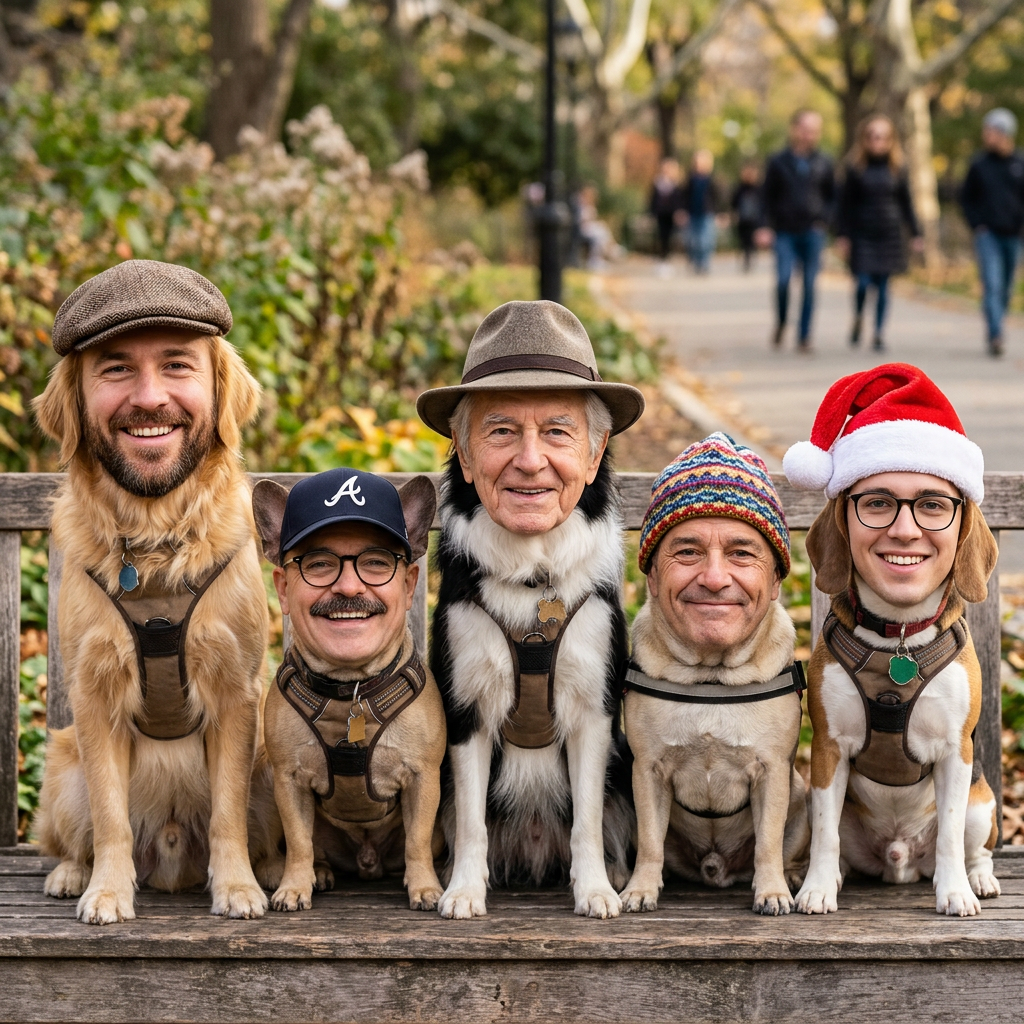
(Or: How do you like your dog: trained/submissive or independent?!)
Fundamental Introduction: The way we, as human beings, are capable of channeling ourselves, and especially our actions, into irrational domains—and furthermore, deluding our own minds just to justify our actions to ourselves and to society as a whole—all too often borders on an unprecedented audacity. It is important to note that society is "me" with additions; society is the union and the sum of the collective needs of all human beings by virtue of being one species among many. Yet, it allows itself to utilize anything possible, simply because it is available for use and utility.
The way we utilize the living creature known as a "dog" (kelev—"like a heart," according to Eliezer Ben-Yehuda, the reviver of the Hebrew language, who named the animal so because of the bond between his son Itamar and his dog) is, in most cases, in a place that is clearly unforgivable in my view. This remains true despite the immense affection often showered upon the animal, and despite the fact that every second household keeps a dog.
The world of dogs is not to be taken for granted. Therefore, first, we—the thinking, caring, and understanding entity—must learn what its characteristics are before we express any opinion on the matter. The place of the domesticated dog in our lives raises many questions regarding the essence of man, his drives, and his motives as a being with needs, facing an animal that possesses needs of its own. So, how does the dog adapt to our various needs and vice versa, and in what way do they affect our lives and its own?
The dog is a mammal belonging to the pack family. Various types of packs exist in nature, but the dog originates from the wolf family, whose life as a pack is well known: wolves function as social predators (!) and hunt in packs led by an alpha male and an alpha female. The wolf family has a leader, and by nature, they do everything to please their leaders in every required way. In the relationship between man and dog, in that order, man functions as the leader. From the dog's perspective, this arrangement is usually beneficial, provided it falls into the hands of a conscious human being.
Regrettably, few individuals possess the awareness to understand that forcing our desires onto animals so they are trained for our needs is absolute violence and power-assertiveness. Moreover, in my humble opinion, only a select few can integrate this understanding with our need to control (Nietzsche’s "Will to Power"), thereby sparing animals from seeing us as a forceful and threatening figure. Otherwise, the situation of dogs is far from bright.
Seemingly, a conscious person would not seek to train their dog if they deeply understood the meaning of training. Just as you cannot choose the character and nature of your child, you cannot adopt a dog into your life and ignore who it is, its character, and its specific needs. This, too, rests on the basic assumption that man perceives the dog as an entity that exists in the world independently of him—and as such, possesses existential rights and needs, just like man.
If so, how do you prefer your dog? Submissive or opinionated? It turns out that human beings will never allow their dogs to enjoy the privilege of leadership for many reasons. Some are for personal safety, aiming to prevent the wolf-like element from overtaking the dog, lest it allow itself to connect too deeply with its essence and prey—even though a dog rarely harms its pack, whether it is a soldier or a leader, except in exceptional cases.
So why do we adopt a dog into our lives and cause it to negate its essence, usually preventing it from being who it is? Because it benefits us, and we tend to satisfy our need to be accepted unconditionally. It also stems from our tendency to want to control the other; lacking an authentic capacity to do so, all that remains is to mistreat helpless dogs.
The relationship between the unconscious man and the dog is, in fact, the embodiment of Nietzsche's "Will to Power" theory.
Just as dogs will always find primary interest in their own kind from the very start, the very act of writing this article reinforces the claim that all human beings are in the exact same place, yet simultaneously in different worlds—and this in itself is a wondrous and destructive capacity reserved only for human beings at a conscious level.
After all, what do we have to do with dogs? They do not resemble us biologically, and they are incapable of communicating with us in a manner similar to how we communicate among ourselves in far too many ways. Yet, for the most part, they are the animals closest to us in most cultures, more than any other animal.
Over thirty-three thousand years ago, we discovered that the wolf could serve our purposes in various ways—just as other animals serve us—in several avenues: food, pleasure, grooming, preservation, reuse, experimentation, extermination, clothing and footwear, decorative objects, and the writing of sacred texts. The end justifies all means.
Over time, these avenues of service, which only human beings are capable of enlisting for their benefit, proved efficient. Throughout the years, we refined them to this very day. We created from the nature around us an animal that would answer a large portion of our needs. So large, that it even sleeps in our beds… Every single thing we created together as a society and as individuals distinctly serves our needs. The collective human tendency is to streamline, refine, outsmart in every sense, conquer worlds, spread wings, and live in health and longevity. We are never satisfied, a fact that is unfathomable at the metaphysical levels of restless human capacity.
And that is not all. In fact, if I delve deeper, the ugliest act of all will be exposed to everyone's eyes: the buying and selling of a dog, which teaches us how society views the dog—as a commodity. The yearning to possess a dog of a "prestigious" and pure breed, for which we are willing to pay our hard-earned money, negates any basic consideration for the living creature, and certainly the famous "friendship." A person who loves, understands, and respects dogs would surely find themselves wandering between shelters for abandoned dogs, rather than opening "Google" to search the relevant entry and inquire about the price of such a dog.
In parentheses, I will note in this context that Freud's "Wolf Man" did an inconceivable injustice to dogs. He took the wolf itself, disconnected it from the context of the dog lying at its master's feet in the famous clinic, and the only thing absorbed from the inspiration of these wise wild beasts was translated into something sexual. For with Freud, everything is related to sex; otherwise, it is devoid of all meaning.
So much for the utility man derives from his dog. However, let us ask another fundamental question: what is the utility that the dog derives from this, if any? What price must it pay, and who actually emerges as the primary beneficiary in this deal? The reference must be transcendental because there are two entities in the equation. Since one of them is us, we cannot be objective at all, and certainly not the core. I have already discussed the clearly uncontrollable desire to train our dogs and the various shifting habits—corresponding to our psychoses—that we instill in its behavior, all for us and according to our will. But what about the dog's desires? This question probably cannot be answered, because we have no way of knowing for sure, but mainly, because we don't really care.
In the collective perception, supreme and existential importance is attributed to the food and water we provide to the animals under our care. Supposedly, by this, we are doing the best thing for our dogs; we even invest in their treats… Is that so? Is this indeed the best thing that can be done for a dog we adopted into our home? True, food and water are existential conditions, and if we want a dog, then we must feed it, obviously. However, we are doing the dog no favors by dispensing food and water into its bowls. In nature, its ability to survive and its fate depend on its ability to hunt. By stripping it of its freedom, we instantly abolished this ability and determined its fate regarding how it obtains its food. Hence, this is actually our moral duty toward it, and nothing more.
The more "domesticated" a dog is, according to how its owner translates the concept of 'home,' the more it will be loved by them. The more "dog-like" the dog is—meaning, it seeks to preserve for itself innate canine habits that are dear to it by virtue of being a dog—the less satisfied we will be with it.
Dog owners who are "skilled" in canine love swoon at the sight of their educated and obedient dog, when their best friend performs the training exercises it learned just to please its master.
A dog is a wondrous animal that will do anything to please its owner; it is embedded in its nature. Therefore, whenever it appears to the dog that we are pleased with it, and we grant it an affectionate attitude and perhaps a treat, it will do with love almost anything we ask of it: sit, down, crawl, jump, stand, stay, paw, roll over, skip—and the list is as long as our whims. As long as it is a two-syllable command delivered in the right tone, anything goes.
It is known that a dog's experiences pass primarily through its sense of smell, which is developed to levels that most human beings do not fathom at all. We have only five million scent receptors, whereas an average dog has two hundred and twenty million scent receptors. Through these receptors, the dog satisfies its primal, animalistic desires, chief among them the primordial conditioning to mark territory and get to know others of its kind. This is, in fact, a distinct way of communication for them.
Yet we, the more our dog is connected to its desire to smell and lick its organs, its excretions, or worse—those of other dogs—the more we will try to prevent it from doing so freely. The less aesthetic it appears in our eyes, the less we will love it; the more our dog refuses to fulfill our requests, the more our affection toward it will diminish. An affection that is conditional. Hence, this tool in our hands, the one called a dog, has long since become an inseparable extension of human beings, but the concept of "friend" exists only in our false consciousness.
One more thing on the margins of the matter, though not marginal to the issue itself. "A cat is not as loyal as a dog," is a statement repeated among any group of people who dislike cats. In this sentence, of course, there is no logic, just as it is illogical to claim that an ant is not as beautiful as a butterfly. The claim that a cat has no feelings is foolish. In fact, in this matter, we refuse to admit that most animals have feelings in many senses, because then it would be much harder for us to justify our mastery and the actions we force upon them for our personal benefit. The entire comparison between the two species suffers from a fundamental lack of understanding. It simply seems easier to love a dog, because a wolf can be domesticated, whereas a leopard or a cat will always remain a wild animal. Regardless of dogs and cats, each animal must be treated individually. In broader contexts, one can discuss distinct families of animals, like the wolf and the dog for that matter, or the cat and the leopard, and there is much more interest in that than in the relationship between dogs and cats, where the only thing connecting them is us—meaning, once again, our point of reference is human beings themselves and the fact that we chose to adopt both into our lives. If we examine this deeply, we will find that in nature, dogs and cats are distinct enemies. So it is no wonder that dogs accustomed to fulfilling their owners' will learn to live with cats, but for most of them, any other cat is an enemy. Consequently, any ordinary dog that has never lived with a cat will display aggression toward it.
To conclude, in the end, it seems that precisely the cat feeders, whom the ignorant in society enjoy taunting regarding the flaw inherent in their actions, are the true animal lovers among us. They do not care for their cats for their own utility or as payment for a product they received, bought, or adopted and shaped to their will. Instead, they do so for the welfare of the cat itself, which, to them, is not "in their image, yet not in their likeness."
2. French Translation (תרגום מלא לצרפתית)
Des chiens et des hommes (Ou : Comment aimez-vous votre chien : dressé/soumis ou indépendant ?!)
Introduction fondamentale : La manière dont nous, les êtres humains, sommes capables de nous canaliser, et surtout de canaliser nos actions, vers des lieux irrationnels—et de plus, de tromper notre propre esprit juste pour justifier nos actes envers nous-mêmes et envers la société tout entière—frise bien trop souvent une audace sans précédent. Il est important de noter que la société est "moi" avec des ajouts ; la société est l'union et l'ensemble des besoins collectifs de tous les êtres humains du fait que nous sommes une espèce parmi tant d'autres. Pourtant, elle se permet d'utiliser tout ce qui est possible, par le simple fait que cela soit disponible pour l'utilisation et le profit.
Notre manière d'utiliser la créature vivante appelée "chien" (kelev—"comme un cœur", selon Éliézer Ben-Yéhouda, le restaurateur de la langue hébraïque, qui nomma ainsi l'animal en raison du lien entre son fils Itamar et son chien) se situe, dans la plupart des cas, dans un endroit qui est manifestement impardonnable à mes yeux. Cela reste vrai malgré la grande affection que l'on a l'habitude de déverser sur l'animal et malgré le fait qu'un foyer sur deux possède un chien.
Le monde des chiens ne va pas de soi. C'est pourquoi, d'abord, nous—l'entité pensante, bienveillante et compréhensive—devons apprendre quelles sont ses caractéristiques, avant d'exprimer une quelconque opinion en la matière. La place du chien domestiqué dans notre vie soulève de nombreuses questions quant à l'essence de l'homme, ses pulsions et ses motivations en tant qu'être ayant des besoins, face à un animal qui possède ses propres besoins. Alors, comment le chien s'adapte-t-il à nos différents besoins et vice-versa, et de quelle manière influencent-ils notre vie et la sienne ?
Le chien est un mammifère appartenant à la famille des meutes. Il existe différents types de meutes dans la nature, mais le chien trouve son origine dans la famille des loups, dont la vie en meute est connue et célèbre : les loups fonctionnent comme des prédateurs sociaux (!) et chassent en meutes dirigées par un mâle alpha et une femelle alpha. La famille des loups a un chef et, par nature, ils font tout pour plaire à leurs dirigeants de toutes les manières requises. Dans la relation entre l'homme et le chien, dans cet ordre, l'homme fonctionne comme le chef. Du point de vue du chien, cet arrangement est généralement avantageux, à condition qu'il tombe entre les mains d'un être humain conscient.
Malheureusement, rares sont les personnes qui ont la conscience de comprendre que contraindre nos désirs sur les animaux pour qu'ils soient dressés à nos besoins est une violence et une démonstration de force à tous égards. De plus, à mon humble avis, seuls quelques rares privilégiés sauront concilier cette compréhension avec notre besoin de dominer ("La Volonté de puissance" de Nietzsche), évitant ainsi aux animaux de nous percevoir comme une figure autoritaire et menaçante. Autrement, la situation des chiens est loin d'être brillante.
En apparence, une personne consciente ne chercherait pas à dresser son chien si elle comprenait profondément le sens du dressage. Tout comme on ne peut choisir le caractère et la nature de son enfant, on ne peut adopter un chien dans sa vie en ignorant qui il est, son caractère et ses besoins spécifiques. Cela repose également sur l'hypothèse de base que l'homme perçoit le chien comme une entité qui existe dans le monde indépendamment de lui—et en tant que telle, dotée de droits existentiels et de besoins, exactement comme l'homme.
Alors, comment préférez-vous votre chien ? Soumis ou affirmé ? Il s'avère que les êtres humains ne laisseront jamais leurs chiens profiter du privilège de leader pour de nombreuses raisons. Certaines concernent la sécurité personnelle, visant à empêcher l'élément lupique (du loup) de prendre le dessus sur le chien, de peur qu'il ne se permette de se reconnecter excessivement à son essence et de chasser—bien qu'un chien ait rarement tendance à nuire à sa meute, qu'il soit soldat ou chef, sauf cas exceptionnels.
Alors pourquoi adoptons-nous un chien dans notre vie et le poussons-nous à annuler son essence, en l’empêchant généralement d'être qui il est ? Parce que cela nous arrange, et nous avons tendance à satisfaire notre besoin d'être acceptés sans condition. Cela découle aussi de notre tendance à vouloir contrôler l'autre ; faute d'une capacité authentique à le faire, il ne reste plus qu'à maltraiter des chiens sans défense.
La relation entre l'homme non conscient et le chien est, en réalité, l'incarnation de la théorie de la "Volonté de puissance" de Nietzsche.
Tout comme les chiens trouveront toujours un intérêt primaire d'abord chez leurs congénères dès le départ, le fait même d'écrire cet article renforce l'affirmation selon laquelle tous les êtres humains se trouvent exactement au même endroit et, en même temps, dans des mondes différents—et c'est en soi une capacité merveilleuse et destructrice réservée aux seuls êtres humains au niveau conscient.
Après tout, qu'avons-nous à faire des chiens ? Ils ne nous ressemblent pas biologiquement et sont incapables de communiquer avec nous d'une manière similaire à celle dont nous communiquons entre nous à bien trop d'égards. Pourtant, la plupart du temps, ils sont les animaux les plus proches de nous dans la majorité des cultures, plus que tout autre animal.
Il y a plus de trente-trois mille ans, nous avons découvert que le loup pouvait servir nos objectifs de diverses manières—tout comme d'autres animaux nous servent—dans plusieurs domaines : alimentation, plaisir, toilettage, préservation, réutilisation, expérimentation, extermination, habillement et chaussure, objets de décoration, et écriture de textes sacrés. La fin justifie tous les moyens.
Au fil du temps, ces voies de service, que seuls les êtres humains sont capables de mobiliser à leur profit, se sont révélées efficaces. Au cours des années, nous les avons perfectionnées jusqu'à ce jour. Nous avons créé à partir de la nature qui nous entoure un animal qui répond à une grande partie de nos besoins. Si grande qu'il dort même dans nos lits… Chaque chose que nous avons créée ensemble, en tant que société et en tant qu'individu, sert distinctement nos besoins. La tendance humaine collective est de rationaliser, de perfectionner, d'être plus rusé dans tous les sens, de conquérir des mondes, de déployer ses ailes et de vivre en bonne santé et longévité. Nous n'en avons jamais assez, un fait qui est inconcevable aux niveaux métaphysiques de la capacité humaine infatigable.
Et cela ne suffit pas. En fait, si je creuse plus profondément, l'acte le plus laid de tous sera exposé aux yeux de tous : l'achat et la vente d'un chien, qui nous enseignent la manière dont la société traite le chien—comme une marchandise. Le désir ardent de posséder un chien d'une race "prestigieuse" et pure, pour lequel nous sommes prêts à payer notre argent durement gagné, annule toute considération de base pour la créature vivante, et certainement la fameuse "amitié". Une personne qui aime, comprend et respecte les chiens se retrouverait sûrement à errer entre les refuges pour chiens abandonnés, plutôt que d'ouvrir "Google" à la recherche de la rubrique correspondante pour s'enquérir du prix d'un tel chien.
Entre parenthèses, je noterai dans ce contexte que "L'Homme aux loups" de Freud a causé une injustice inconcevable aux chiens. Il a pris le loup lui-même, l'a déconnecté du contexte du chien couché aux pieds de son maître dans la célèbre clinique, et la seule chose absorbée par l'inspiration de ces bêtes sauvages et sages a été traduite en quelque chose de sexuel. Car chez Freud, tout est lié au sexe ; sinon, cela est dénué de tout sens.
Voilà pour l'utilité que l'homme retire de son chien. Cependant, posons une autre question fondamentale : quelle est l'utilité que le chien en retire, si tant est qu'il y en ait une ? Quel prix doit-il payer, et qui sort réellement principal bénéficiaire de ce marché ? L'approche doit être transcendantale car il y a deux entités dans l'équation. Puisque l'une d'elles est nous-mêmes, nous ne pouvons pas du tout être objectifs, et certainement pas l'essentiel. J'ai déjà évoqué le désir manifestement incontrôlable de dresser nos chiens et les diverses habitudes changeantes—correspondant à nos psychoses—que nous lui inculquons dans son comportement, le tout pour nous et selon notre volonté. Mais qu'en est-il des désirs du chien ? On ne peut probablement pas répondre à la question, car nous n'avons aucun moyen de le savoir avec certitude, mais surtout, parce que cela ne nous intéresse pas vraiment.
Dans la perception collective, une importance suprême et existentielle est accordée à la nourriture et à la boisson que nous fournissons aux animaux sous notre garde. Prétendument, par cela, nous faisons la meilleure chose pour nos chiens ; nous investissons même dans leurs friandises… Est-ce vraiment le cas ? Est-ce en effet la meilleure chose qui puisse être faite pour un chien que nous avons adopté dans notre foyer ? Certes, la nourriture et la boisson sont des conditions existentielles, et if nous voulons un chien, alors nous devons le nourrir, évidemment. Cependant, nous ne faisons aucune faveur au chien en versant de la nourriture et de la boisson dans ses gamelles. Dans la nature, sa capacité à survivre et son destin dépendent de sa capacité à chaser. En le dépouillant de sa liberté, nous avons instantanément aboli cette capacité et déterminé son destin quant à la manière dont il obtient sa nourriture. Dès lors, il s'agit en réalité de notre devoir moral envers lui, et rien de plus.
Plus un chien est "domestique", selon la manière dont son propriétaire traduit le concept de "maison", plus il sera aimé par lui. Plus le chien sera "chien"—c'est-à-dire qu'il cherchera à préserver pour lui-même des habitudes canines et innées qui lui sont chères en vertu de son statut de chien—moins nous serons satisfaits de lui.
Les propriétaires de chiens "expérimentés" en amour canin s'extasient à la vue de leur chien éduqué et obéissant, lorsque leur meilleur ami exécute les exercices de dressage qu'il a appris juste pour plaire à son maître.
Le chien est un animal merveilleux qui fera tout pour plaire à son maître ; cela est ancré dans sa nature. Par conséquent, chaque fois qu'il lui semble que nous sommes satisfaits de lui, et que nous lui accordons une attitude amicale et peut-être une friandise, il fera avec amour presque tout ce que nous lui demanderons : assis, couché, rampe, saute, debout, pas bouger, donne la patte, roule, sautille—et la liste est aussi longue que nos caprices. Tant qu'il s'agit d'un ordre de deux syllabes prononcé sur le bon ton, tout passe.
Il est connu que les expériences du chien passent principalement par son sens de l'odorat, qui est développé à des niveaux que la plupart des êtres humains ne conçoivent pas du tout. Nous n'avons que cinq millions de récepteurs olfactifs, alors qu'un chien moyen en possède deux cent vingt millions. À travers ces récepteurs, le chien satisfait ses désirs canins et animaux, au premier rang desquels le conditionnement originel de marquage de territoire et de connaissance de ses congénères. C'est en fait un mode de communication distinct pour eux.
Pourtant nous, plus notre chien est connecté à son désir de sentir et de lécher ses organes, ses excrétions ou, pire encore, ceux d'autres chiens, plus nous essaierons de l’empêcher de le faire librement. Moins il sera esthétique à nos yeux, moins nous l'aimerons ; plus notre chien refusera de répondre à nos demandes, plus notre affection envers lui diminuera. Une affection qui est conditionnelle. Dès lors, cet outil entre nos mains, celui qu'on appelle un chien, est devenu depuis longtemps un prolongement indissociable de l'être humain, mais le concept d' "ami" n'existe que dans notre fausse conscience.
Une chose encore en marge de l'affaire, bien que non marginale par rapport au sujet lui-même. "Un chat n'est pas aussi fidèle qu'un chien", est une affirmation qui revient dans tout groupe de personnes qui n'aiment pas les chats. Dans cette phrase, bien sûr, il n'y a aucune logique, tout comme il est illogique de prétendre qu'une fourmi n'est pas aussi belle qu'un papillon. Prétendre qu'un chat n'a pas de sentiments est stupide. En fait, dans cette affaire, nous refusons d'admettre que la plupart des animaux ont des sentiments à bien des égards, car il nous serait alors beaucoup plus difficile de justifier notre domination et les actes que nous leur imposons pour notre bénéfice personnel. Toute la comparaison entre les deux espèces souffre d'un manque fondamental de compréhension. Il semble simplement plus facile d'aimer un chien, car un loup peut être domestiqué, tandis qu'un léopard ou un chat restera toujours un animal sauvage. Indépendamment des chiens et des chats, chaque animal doit être traité individuellement. Dans des contextes plus larges, on peut parler de familles distinctes d'animaux, comme le loup et le chien en l'occurrence, ou le chat et le léopard, et cela présente beaucoup plus d'intérêt que la relation entre chiens et chats, dont le seul point commun est nous—c'est-à-dire, encore une fois, notre point de référence est l'être humain lui-même et le fait que nous ayons choisi d'adopter les deux dans notre vie. Si nous examinons cela en profondeur, nous verrons que dans la nature, les chiens et les chats sont des ennemis jurés. Il n'est donc pas étonnant que les chiens habitués à accomplir la volonté de leur maître apprennent à vivre avec des chats, mais pour la plupart d'entre eux, tout autre chat est un ennemi. Par conséquent, tout chien ordinaire qui n'a jamais vécu avec un chat fera preuve d'agressivité à son égard.
Pour conclure, en fin de compte, il semble que ce soient précisément les personnes qui nourrissent les chats, que les ignorants de la société aiment taquiner sur le défaut inhérent à leurs actions, qui sont les véritables amis des animaux parmi nous. Ils ne s'occupent pas de leurs chats pour leur propre utilité ou en paiement d'un produit qu'ils ont reçu, acheté ou adopté et façonné à leur guise. Au lieu de cela, ils le font pour le bien-être du chat lui-même qui, pour eux, n'est pas "à leur image, mais pas à leur ressemblance".


להשאיר תגובה