By Ilan Moyal
The holidays of the month of Tishrei place a distinct emphasis on the value of family. The festival of Sukkot constitutes the ultimate familial gathering for seven days, or part thereof. It is clear to all of us that family stands above all else. However, sometimes, after a whole lifetime spent believing in a certain truth, the departure of parents reveals a completely different reality through the final testament—manifested both in the final words left to their children and in the material inheritance itself.
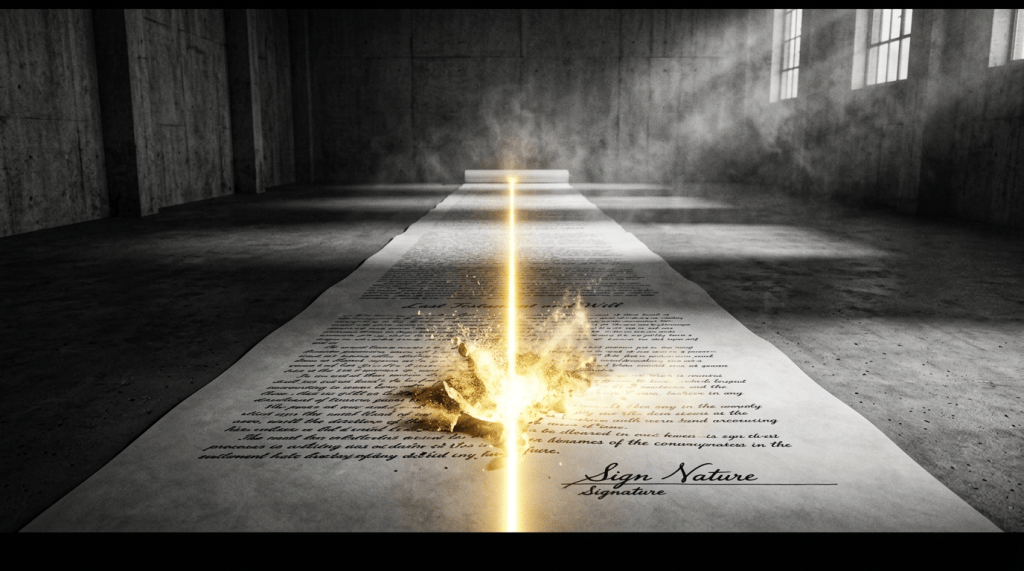
Ever since the passing of my father, the subject of inheritance and testaments has acquired a paramount importance in my life and in my paths. Operating in a constant and persistent attempt to look beneath the surface and fathom the depth of things, I am exposed to anomalies and phenomena that raise, at the very least, serious question marks stemming from that very will. It is a document that has ignited bloody wars of hatred within families. Therefore, there are things that must never, under any circumstances, be tampered with or altered.
If a meticulous historical examination were to be conducted, it would undoubtedly reveal that the piece of paper upon which a will is drafted is the first document of discord in human history—just as fratricide was the very first murder known to humanity since the dawn of time.
First and foremost, I am convinced that for the majority of human beings, a testament—by its very nature—is fundamentally matters of principle rather than merely a question of money and property. This is due to the deep human significance attributed to it by the heirs, who perceive it as a token of the parent's appreciation and esteem toward them, and even as an expression of gratitude for their devotion to the parent who has departed from this world. For the parent, it is nothing less than the "gift" of parting—the absolute final gift to their offspring.
Naturally, it contains numerous other layers, yet the purpose of this article is not to enumerate them, but rather to convey a message saturated with understanding and pain to all who are willing to listen, wherever they may be.
To begin with, it is proper that I clarify what I consider to be the traditional "Testament of the Fathers," that which has been handed down by parents to their children for generations.
When parents decide to bring children into the world, it becomes their absolute duty to act with complete equality towards all of them. Prior to the act, they must encode within their consciousness codes that are completely different from those by which they lived up until that moment of decision—chief among them being their absolute, unconditional commitment to ensure the happiness and well-being of their child at all costs. If they are unable to commit to this, they are simply not ready to become parents. Therefore, it is entirely redundant for them to bring a child into the world at all, for a child is not an experiment of trial and error.
Should parents fail to act in this manner, the testament risks becoming a monument immortalizing their discriminatory behavior toward the siblings, reflecting the excessive proximity of the parents to one specific child over the others.
From my perspective, out of every three children on average, one child will always be inherently closer to one of the parents. This is due to attributes tied to genetics, behavioral similarities, and many other variables that are entirely natural and unavoidable. Just as one can love several friends simultaneously yet form a deeper bond with one specific friend over the others, the same dynamic applies to the relations between parents and children. Because of the extreme sensitivity inherent in matters of parental love, the majority of the public shrinks from confronting the question of "which child is loved more," or even acknowledging its existence, turning it into something monstrous.
To my mind, the question of parental favoritism should not be forbidden or treated as a social taboo. On the contrary: it must be exposed in order to understand that it is entirely normative—provided that the parent does not allow this emotion to govern their behavior, nor abuses their power to extort reciprocal affection, which would inevitably engender jealousy and profound resentment among the other siblings. Indeed, the role of a parent is far from simple. Likewise, the favored child must exercise extreme caution, refusing to exploit this love for personal benefit—an act that is inherently unethical, particularly against their own family members.
Many parents, out of weakness or lack of experience, fail and stumble repeatedly across various domains. Certain mistakes carry a weightier consequence, while others carry less. Furthermore, different children will react to these failures in completely different ways. There are no absolute, unambiguous laws governing parenting and the relations between parents and children. Since the dawn of history, these relationships have been characterized by dynamic fluctuations and diverse styles of upbringing. Yet, nevertheless, there remain in our hands—in the hands of the enlightened among us—several tools with which we can act in a desirable and proper manner.
One of the most horrific "mistakes" concerning testaments lies in the weaponization of the will by parents to exert control. A parent who, for whatever reason, finds themselves deciding to disinherit their child, or threatens to employ this path as a manipulative tool—has, at that very moment, committed the ultimate transgression, irrespective of the actual value of the property in question.
And what does this imply?
On the surface, a testament is a legal instrument that specifies the distribution of property owned by an individual to their family or other parties. Nothing more, nothing less.
But is it truly so?
The final thing a person leaves behind for their heirs is their testament, whether it is known or unknown to them during their lifetime.
To my mind, the testament is akin to a parting letter, final words, the structural embodiment of the author's truth written as a message and a keepsake for their most precious loved ones—those they brought into this world and committed to be guarantors for their well-being.
In principle, it does not matter how the value of this message is translated into matter, because there is no monetary price that can capture the true significance it holds within. Generally, this is not the fruit of a momentary whim, but rather the transcription of reflections and thoughts that crystallized into a decision after profound consideration—all bound to a shared multi-year journey, during which relationships weathered both good days and bad alike.
However, in our current times, where everything is measured by money, no one can escape this economic equation. Therefore, unequivocally, the translation of the conceptual statement into material form becomes an inescapable reality. Consequently, I have no intention of expelling it from the discussion, but rather to utilize it to clarify that greed is one of the most destructive impulses existing within humanity.
And what does this mean? A parent who threatens to disinherit their child executes, in practice, a commodification of their final words, converting them into a raw expression of the power embedded in their act, thereby emptying any other message of its true essence. From that moment onward, the child understands that they must behave in a specific manner to secure the will. In doing so, they will likely act counter to the path they would have chosen had the matter of the inheritance and will not been dangled before their eyes.
Furthermore, human memory tends to play tricks on us all, and as we age, it misleads us more and more. As a consequence, we tend to attribute an excessive significance to a specific timeframe, thereby sinning against the past and at times even erasing its historical importance through endless justifications. It is entirely possible that during a certain period in an average seventy-year lifespan, one child was closer to their parents in various ways, whereas in the final decade of their lives, it is another child who accompanies them and manifests a more prominent concern for their well-being. Since, in my modest opinion, a testament is not a metric for validation or evaluation, it must never be utilized as a tool for vengeance.
Naturally, most parents feel a greater impulse to "help" an obedient, devoted child—one who invests in the familial circle—as opposed to a rebellious child who causes embarrassment within the immediate environment, refusing to submit to parental commands and align with the "general blueprint" envisioned when the family was first established.
Yet, despite all the difficulty, children cannot be domesticated, nor is there any necessity for it. It is imperative to construct boundaries and implement them, but it remains our absolute duty to educate the youth according to their unique path, come what may. That is simply how it is; we have no other alternative, even if it appears unfair to us.
Shall one child receive such parental care because they brought contentment to their parents, while their sibling is condemned to less simply because they caused them sorrow? It implies that far beyond human beings acting with utter selfishness in their original desire to secure a child of their own to perpetuate the dynasty, they also fail to accept the child as they are if they deviate from the mold that existed in their mind's eye. Furthermore, they treat them differently and reject them based on certain traits in their character, and ultimately "finish them off" entirely when the time comes by granting them a lesser portion of the inheritance. That is to say, in their absolute final words to their own flesh and blood, they engrave upon their soul for all eternity the mark of their disappointment with the very existence they brought into being.
In the majority of cases, the siblings themselves are far from innocent. Often, they are the ones who instigate the alteration and sabotage of the Testament of the Fathers out of sheer greed, frequently hiding behind an internal justification that they are the ones who deserve to receive more. On what grounds? If you gave of your time, energy, and goodwill to your parents during their lifetime, you did so out of your moral obligation toward them. Even if you found yourself caretaking a parent while your siblings were not available to do so—whether justified or not—you did beautifully.
Now, do not sin by disparaging your siblings. For in doing so, you instantly invalidate the authentic act you performed, converting it into a tool designed to assault your kin. At that point, the seal is closed upon your act of sacrifice and giving, and it shall be forgotten forever. Only if it remains pure and untainted will it be credited to your character in the days to come, whether you belong to the congregation of believers or not. In any event, from an ethical standpoint, every child must act with respect and reverence toward their parents out of a supreme duty. What, then, does the behavior or lack thereof of one's siblings have to do with the parents? Shall one sibling claim eternal glory at the expense of the others simply because the burden fell upon their aching shoulders? Every sibling must do whatever lies within their reach, and endeavor to inspire their brothers and sisters to do the same out of a positive motive. If they succeed, they have merited bridging the distance between their siblings and the dependent parent, and this shall surely be credited to their essence as a human being and a family member.
A parent who, through thoughtlessness or under constraint, enforces double standards and discriminates among their children, thereby touching the sanctity of the Testament of the Fathers for the benefit of one specific child—it becomes the absolute moral obligation of the "favored one" to correct the act. They must redistribute the remainder equally in order to instill peace within the family and restore the familial order to its foundational state.
We must not tamper with the inheritance of the fathers. Society must resolve this matter in a sweeping, institutionalized manner, establishing that the inheritance of the fathers is an absolute and equal distribution among the siblings, without utilizing it to articulate any stance—neither during life, and most certainly not when lying upon the deathbed, in those final words spoken to their dearest next of kin, who are destined to carry the weight of that message until their own final breath, and far beyond.
[1] To touch in the aspect of changing their essence or tilting them to a specific side due to various factors and reasons.
ירושת הורים
חגי חודש תשרי שמים דגש על ערך המשפחתיות. חג הסוכות מהווה את ההתכנסות המשפחתית האולטימטיבית למשך שבעה ימים, או חלקם. לכולנו ברור שהמשפחה מעל הכל, אולם, לעתים בחלוף חיים שלמים בהם מאמינים באמת מסוימת, לאחר מות ההורים נחשפת בצוואה אמת שונה בתכלית הבאה לביטוי גם במילים האחרונות שהותירו הורים לילדיהם וגם בירושה המדוברת.
מאז מות אבי זכה נושא הירושה והצוואה למקום בעל חשיבות יתרה בחיי, ובדרכיי, הנוהגות לתהות בניסיון תמידי ומתמיד לרדת לעומקם של דברים, אני נחשף למוזרויות ולתופעות המעוררות, לכל הפחות, סימני שאלה שמקורן באותה צוואה, אשר גרמה למלחמות שנאה עקובות מדם בקרב בני המשפחה.לכן, יש דברים שאסור לגעת[1] בהם בשום פנים ואופן.
אם תיערך בדיקה קפדנית היסטורית, לבטח יתגלה שפיסת הנייר שעליה נכתבת צוואה היא מסמך המריבה הראשון לדורותיו, כפי שרצח אחים היה הרצח הראשון – ככל הידוע לנו – משחר הדורות.
ראשית, אני בטוח ומשוכנע שעבור מרבית מבני האדם הצוואה, מעצם היותה, היא עקרונית הרבה יותר מכסף ורכוש מבחינת המשמעות האנושית המיוחסת לה גם בעיני היורשים, הרואים בה אות להערכה ולהוקרה של ההורה כלפיהם, ואף הבעת תודה למידת מסירותם הם כלפי ההורה שנפטר מן העולם. עבור ההורה זו לא אחרת מאשר "מתנת" הפרידה, המתנה האחרונה בהחלט לילדיהם.
מובן שקיימים בה רבדים רבים ונוספים, אך מטרת המאמר הנדון אינה לעסוק במנייתם, אלא בניסיון להעביר מסר רווי בהבנה וכאב לכל מי שאוזנם כרויה באשר הם.
תחילה, מן הראוי שאבהיר מהי בעיניי "צוואת האבות" המסורתית, זו הניתנת בידי ההורים לילדיהם מזה דורות.
הורים פלונים מחליטים להביא לעולם ילדים,. מכאן שמחובתם לנהוג באופן זהה ושווה כלפי כולם. לפני מעשה, עליהם לקודד בתודעתם קודים שונים בתכלית מאלה שעל פיהם חיו עד לרגע החלטתם זו, ובהם התחייבותם המוחלטת וחסרת ההתניות לדאוג לאושרו ולרווחתו של ילדם בכל מחיר. אם אין ביכולתם להתחייב לכך, נראה שהם לא מוכנים להיות הורים, ועל כן מיותר שיביאו לעולם ילד כלל ועיקר הואיל וילד אינו ניסוי וטעייה.
היה וההורים לא ינהגו כך, עלולה הצוואה להיות גלעד להנצחת היחס המבדל של ההורים כלפי האחים והיא תשקף את מידת הקרבה היתרה של ההורים לילד זה או אחר.
מנקודת ראותי, מתוך כל שלושה ילדים בממוצע, ילד אחד תמיד יהיה קרוב יותר לאחד ההורים, בשל מאפיינים מסוימים הקשורים בגנטיקה, בדמיון התנהגותי ובעוד משתנים רבים, בלתי נמנעים וטבעיים לחלוטין. בדיוק באותו האופן שבו ניתן לאהוב בעת ובעונה אחת מספר חברים ולהיקשר לחבר זה או אחר יותר מאשר לאחרים, כך גם ביחסים בין הורים לילדים. על שום הרגישות הרבה הטמונה בענייני אהבת הורים וילדיהם, רוב הציבור נרתע מלהתמודד עם השאלה "מי מהילדים אוהבים יותר" ומקיומה בכלל, והיא הופכת למשהו אחר, כמעט מפלצתי. לדידי, השאלה את מי מהילדים אוהבים יותר איננה אסורה וכלל ולא אמורה להיחשב לטאבו חברתי, להפך: יש לחשוף אותה במטרה להבין שהיא נורמטיבית, כל עוד ההורה לא מניח לרגש זה להשתלט על התנהגותו ואינו משתמש לרעה בכוחו לזכות בחזרה באהבה יתרה, מה שעלול לגרום לקנאה או לתחושות קשות אחרות בקרב שאר האחים. אכן, תפקידו של ההורה אינו פשוט כלל ועיקר. גם הילד/ה המועדפים מוכרחים לנהוג משנה זהירות ולא לנצל אהבה זו לטובתם בכלל כמעשה שאינו מוסרי ובפרט מול בני ובנות משפחתם.
הורים רבים, מפאת חולשתם או בשל חוסר ניסיון, נכשלים ושוגים רבות במישורים שונים. טעויות מסוימות משפיעות יותר, ואילו אחרות – פחות. יתרה מכך – חלק מילדים יגיבו לכישלונות אלה בצורה אחת, ואילו אחרים – בצורה אחרת. אין להורות וליחסים בין הורים לילדים חוקים חד משמעיים, ומשחר ההיסטוריה היחסים האלה ניחנו בדינמיות ובסגנונות הורות שונים ומשונים, אך בכל זאת, יש בידינו – בידי הנאורים שבינינו – מספר כלים שבעזרתם ניתן לנהוג באופן רצוי ומקובל.
אחת ה"טעויות" הנוראיות מכול בקשר לצוואות נעוצה בשימוש שהורים עושים בה כדי להשיג שליטה. הורה אשר מכל סיבה שהיא מוצא את עצמו במצב שבו הוא מחליט לנשל את ילדו מהירושה, או מאיים לנקוט דרך זו ככלי מניפולטיבי – בו ברגע עשה את הנורא מכול, בלי קשר לערך הרכוש שבו מדובר.
ובמה דברים אמורים?
על פניו, הצוואה היא מסמך חוקי אשר מפרט את אופן חלוקת הרכוש שהיה בבעלות האדם למשפחתו, או לגורמים אחרים. הא ותו לא.
האומנם?
הדבר האחרון שאדם משאיר אחריו ליורשיו –– היא הצוואה, .בין אם היא ידועה ובין אם אינה ידועה להם.
בעיניי, הצוואה היא בבחינת מכתב פרידה, מילים אחרונות, התגלמות האמת של זה שכתב אותה כמסר וכמזכרת ליקיריו החשובים מכול, אשר ממשיכים את דרכו, לאלה שהביא אותם לעולם והתחייב להיות ערב לרווחתם.
באופן עקרוני, אין זה משנה כיצד יתורגם ערכו של המסר הנ"ל לחומר, מפני שאין ערך כספי למשמעות האמתית שהוא טומן בחובו. על פי רוב אין המדובר בפרי גחמה רגעית, אלא בהעלאה על הכתב של הרהורים ומחשבות שהתגבשו לידי החלטה לאחר שקילתם לעומק, ואלה קשורים למסע המשותף רב השנים, אשר במהלכן מערכות היחסים בין הצדדים ידעו ימים טובים כרעים כאחד.
ואולם, בימינו, בהם כל דבר נמדד בכסף, איש לא יכול להימנע מסוגיה זו, ולכן, באופן חד משמעי, תרגום האמירה התוכנית לחומר הוא מעשה בלתי נמנע. משום כך, אין בכוונתי לדחוק אותו מהדיון, אלא להשתמש בו כדי להבהיר שתאבת הבצע הוא אחד היצרים ההרסניים הקיימים באנושות.
ובמה דברים אמורים? הורה שמאיים לנשל את ילדו מן הצוואה, מבצע, הלכה למעשה, המרה למילותיו האחרונות והופך אותן לכלי המבטא את הכוח הטמון במעשהו, ובכך מרוקן כל מסר אחר מתוכנו. מעתה ואילך הילד יבין שעליו לנהוג באופן מסוים כדי לזכות בצוואה, ובכך, ככל הנראה, ינהג אחרת מהדרך שבה היה בוחר לו עניין הצוואה והירושה לא היו לנגד עיניו.
זאת ועוד. הזיכרון האנושי נוהג לתעתע בכולנו, וככל שאנו מתבגרים, הוא משטה בנו יותר ויותר. כפועל יוצא מכך, אנו נוטים לייחס לפרק זמן מסוים משמעות יתרה, ובכך חוטאים לעבר ולעתים אף מבטלים את חשיבותו בטענות שונות ובאמצעות צידוקים אין סופיים. ייתכן שבפרק זמן מסוים במהלך שבעים שנות חיים ממוצע, דווקא ילד אחד היה קרוב יותר להוריו באופנים כאלה ואחרים, ואילו בעשור האחרון לחייהם ילווה אותם ילד אחר אשר יביע את דאגתו לרווחתם באופן בולט יותר. כיוון שלעניות דעתי הצוואה איננה אומדן להערכה, היא גם לא אמורה לשמש כלי לנקמה.
מטבע הדברים, רוב ההורים מרגישים צורך רב יותר "לעזור" לילד ממושמע, ומסור, כזה המשקיע בחוג המשפחתי, לעומת ילד סורר שגורם למבוכה בקרב הסביבה הקרובה ומסרב לסור לימין לפקודת הוריו ולהיות חלק מ"התכנית הכללית" שראו לנגד עיניהם עם הקמת המשפחה.
ואולם, עם כל הקושי, לא ניתן לאלף ילדים, וגם אין צורך בזה. שומה להבנות גבולות וליישמם, אך מחובתנו לחנוך לנער על פי דרכו, ויהי מה. ככה זה. אין לנו כל אפשרות אחרת, גם אם נדמה לנו שאין זה הוגן.
האם בגלל שילד אחד הסב להוריו נחת, ואילו האחר הסב להם צער – יקבל האחד דאגה הורית כזו ואילו אחיו יזכה לפחות מכך? משתמע מכך שהרבה מעבר להיות בני האנוש נוהגים באנוכיות גמורה מעצם ברצונם לכתחילה לזכות בילד משלהם שימשיך את השושלת, הם גם לא מקבלים אותו כפי שהוא, אם הוא חורג מהתבנית שהייתה בעיני רוחם. לא זו אף זו, הם למעשה מתייחסים אליו באופן שונה ודוחים אותו בשל תווים אלו ואחרים באופיו, ובסופו של עניין "גומרים" עליו לגמרי בבוא היום, כשהם מעניקים לו נתח קטן יותר מהירושה,, דהיינו, במילותיהם האחרונות ליוצאי חלציהם הם מקעקעים בנפשו לנצח נצחים את אות אכזבתם מעצם קיומו, כפי שהביאו אותו לעולם.
במרבית המקרים גם האחים עצמם אינם טומנים ידם בצלחת, ולרוב הם אלה הגורמים לשינוי ולחבלה בצוואת האבות מתוך חמדנות גרידא ולעתים מתוך הצדקה פנימית לפיה להם מגיע לקבל יותר. על שום מה ולמה? אם הענקת מזמנך, ממרצך ומיחסך הטוב להוריך במשך חייהם, הרי שהדבר נעשה מתוך חובתך המוסרית כלפיהם. גם אם מצאת את עצמך סועד הורה, בזמן שאחיך לא היו פנויים לכך, בין אם בצדק ובין אם לא.ו, יפה עשית. כעת, אל תחטא ותכפיש את אחיך, מפני שבעשותך כן, אתה מבטל את מעשה האמת שעשית והופך אותו ברגע לכלי שנועד לנגח את אחיך, ובזאת נסתם הגולל על מעשה ההקרבה והנתינה שלך, ועליו להישכח לעד. רק במידה שהוא נותר זך וטהור, הוא עתיד להיזקף לזכותך ביום מן הימים, בין אם אתה נמנה עם קהל המאמינים בו ובין אם לאו. בכל מקרה, מבחינה אתית על כל ילד לנהוג באופן מכבד ומוקיר כלפי הוריו מתוך חובה נעלה, ומכאן מה עניין מעשיהם או העדר מעשיהם של אחיו כלפי ההורים? האם משום שהנטל "נופל" רק על כתפיו הדוויות של אחד האחים עליו לזכות בתהילת עולם על חשבונם? על כל אחד מהאחים לעשות ככל שידו משגת, ועליו להשתדל להניע את אחיו לעשות כמותו מתוך מניע חיובי. אם יצליח, הרי שזכה לקרב בין אחיו להורה הנזקק, והדבר בוודאי ייזקף לזכותו כאדם וכבן משפחה.
הורה אשר בחוסר מחשבה או מתוך אילוץ ונקיטת יחס של איפה ואיפה , הפלה בין ילדיו ונגע בקדושת צוואת האבות לטובת ילד מסוים, מחובתו של ה"מופלה לטובה" לתקן את המעשה ולחלק את היתרה שווה בשווה במטרה להשרות שלום בקרב המשפחה ולהשיב את הסדר המשפחתי על כנו.
אל לנו להתעסק עם ירושת אבות. החברה מוכרחה להכריע בעניין באופן גורף ולקבוע שירושת אבות היא חלוקה שווה ומוחלטת בין האחים, בלי להשתמש בה כדי להביע עמדה כלשהי – לא בזמן החיים ובטח שלא בהיותו על ערש דווי, במילותיו האחרונות לשארי בשרו היקרים , אשר עתידים לשאת את המסר איתם עד ליום מותם, ומעבר לו.
[1] לגעת בהיבט של שינוי מהותם או הטייתם לצד מסוים מתוך גורמים וסיבות כאלה ואחרות.


להשאיר תגובה